

SENarts in Action: Inclusive Art Workshops Unite Fuensalida

Art can change the atmosphere of a room in minutes. A blank canvas, a shared rhythm, or a simple invitation to create can help students feel seen, capable, and connected.
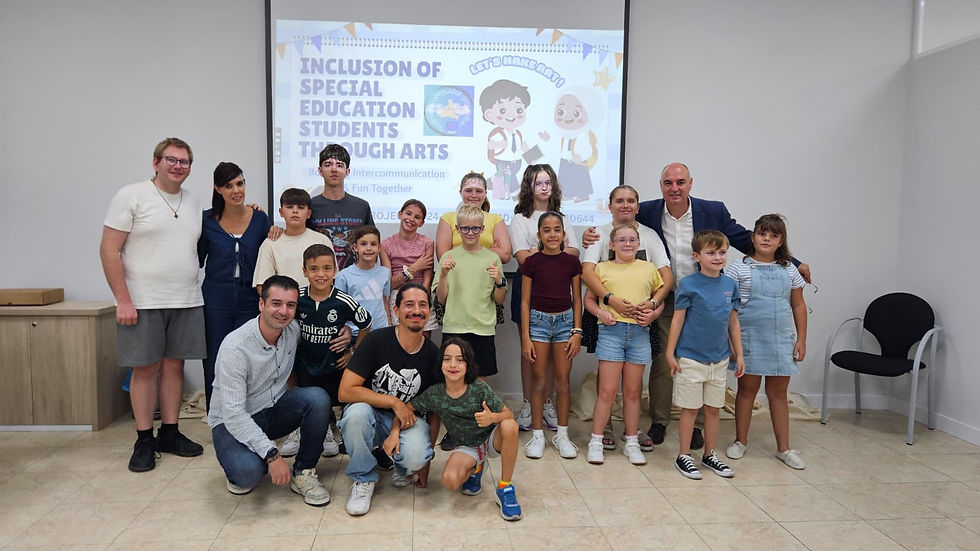
That spirit filled the Centro Joven de Fuensalida during the recent SENarts dissemination event, where students, families, educators, and community members came together to celebrate a project built around inclusive learning through the arts.
The day offered more than a look back at the project. It showed what happens when inclusion moves from theory into practice. Through music, painting, dialogue, and shared reflection, the local community experienced how SENarts supports learning, emotional growth, and meaningful participation for all students.
A community gathering with a clear purpose
The event at the Centro Joven brought the local SENarts journey into the open. It gave the community a chance to understand where the project began, how it developed, and what educators learned along the way.
SENarts is rooted in a simple but powerful idea: the arts can make learning more accessible. Music, painting, theatre, and creative expression allow students to take part in different ways. For some, art opens a door to communication. For others, it builds confidence, focus, or cooperation.
The gathering also offered space to share the project’s methodology and evaluated results. Rather than presenting inclusion as an abstract goal, the team explained how inclusive, art-based activities can support real classroom needs.
Those needs include:
Helping students express feelings and ideas beyond spoken or written language
Creating shared tasks where every student has a meaningful role
Reducing barriers to participation through flexible activities
Supporting emotional resilience through creative exploration
Strengthening relationships between students, teachers, and families
This practical focus made the event especially useful for educators and families. It showed that inclusive education does not depend on one perfect method. It grows from thoughtful design, observation, care, and the belief that every student can contribute.
The SENarts roadmap made inclusion easier to understand
One of the most valuable moments of the day came from a project teacher, who guided attendees through the SENarts approach. The presentation explained how the project works, why the arts matter, and how other schools can adapt the model to their own classrooms.
The teacher broke the framework down into clear stages. Schools interested in similar work need more than enthusiasm. They need a plan that teachers can use, adjust, and repeat.
A strong inclusive arts activity usually begins with three questions:
What barrier might stop a student from taking part?
What creative route could help remove that barrier?
How can students collaborate without everyone needing to do the same task in the same way?
This is where Universal Design for Learning fits naturally. When teachers offer multiple ways to engage, create, and show understanding, more students can join in with confidence. A painting activity, for example, can include colour mixing, shape tracing, texture work, storytelling, pair work, or quiet individual expression. Each path can lead to the same shared goal.
The SENarts framework also places value on reflection. Teachers observe how students respond, what support they need, and what changes help them participate more fully. Over time, these observations help shape better activities and stronger classroom relationships.

Music and painting brought SENarts to life
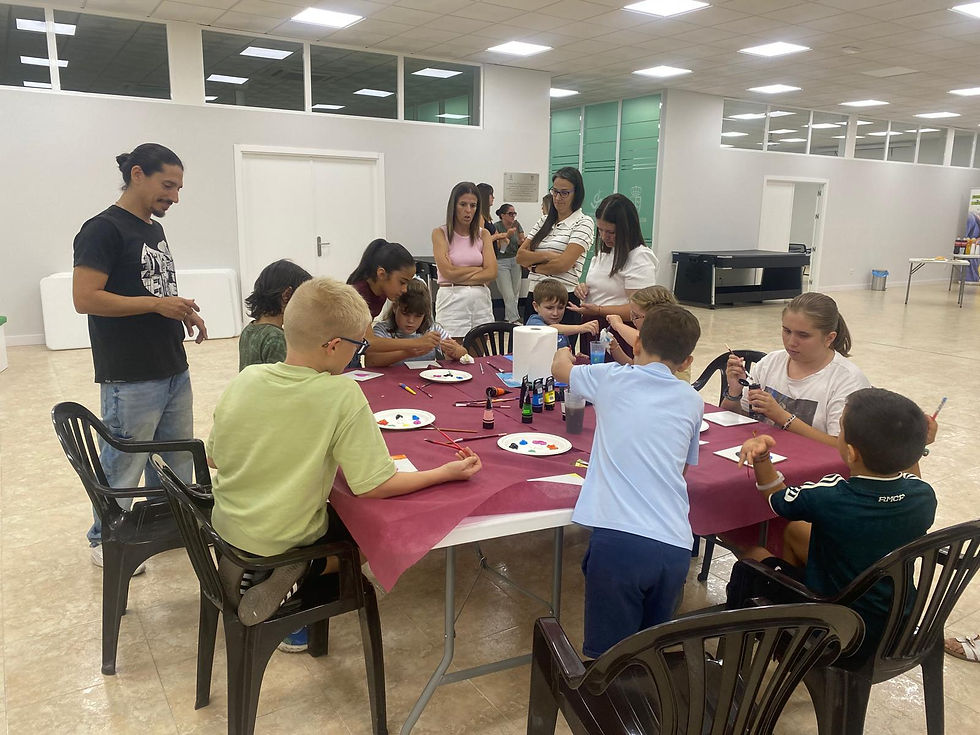
The heart of the event was the chance to experience SENarts in Action through interactive workshops. Students took part in music and painting activities designed for shared participation, not competition.
In the music workshop, rhythm created an immediate sense of connection. Drums, percussion, clapping patterns, and simple sound games gave students a way to listen and respond to one another. No one needed advanced musical skill. The goal was presence, interaction, and trust.
Music is especially powerful in inclusive settings because it gives structure without demanding one single type of response. A student can lead a beat, echo a rhythm, move to the sound, pause and listen, or join gradually. Each contribution matters.
The painting workshop offered another route into expression. Students worked with colour, shape, movement, and texture. Some focused quietly on their own section. Others collaborated, exchanged ideas, or responded to what classmates created nearby.
What made the workshops special was the mix of students learning side by side. Neurotypical and neurodivergent students created together, not in separate spaces or separate roles. The activities made room for different communication styles, sensory needs, and levels of confidence.
That is what inclusive art can do well. It reduces the pressure to perform in one “correct” way and invites each person to take part through their strengths.
Inclusion became visible through shared creation
Many education projects speak about inclusion. Events like this one make it visible.
Inclusion was present when a student joined a rhythm after watching quietly for a while. It appeared when classmates adjusted their pace so everyone could follow. It showed up when a shared painting became a common project rather than a set of individual pieces.
These moments may look small, but they carry real weight. They help students build social confidence. They help teachers see strengths that may not appear in more traditional tasks. They help families witness their children taking part with joy.
The SENarts approach also strengthens the wider community. When schools, families, local spaces, and educators share responsibility for inclusion, support no longer stays inside the classroom. It becomes part of community life.
The Centro Joven de Fuensalida offered the right kind of setting for that message. It was open, local, and familiar. It gave the project a public space where learning, creativity, and community could meet.
What other schools can learn from the SENarts experience
The event also offered a practical message for other schools: inclusive arts work can start small.
A school does not need a large stage, a specialist studio, or expensive materials to begin. Teachers can build meaningful activities with simple tools and a clear purpose. What matters most is the design behind the activity.
A useful starting point might include:
A short rhythm circle where students choose how to join
A group mural with different texture and colour stations
A storytelling activity using movement, drawing, music, or voice
A reflection moment where students share through words, images, or gestures
A teacher observation sheet focused on participation and comfort
The key is to create options without lowering expectations. Inclusive learning should respect every student’s ability to grow. It should also recognise that growth may look different from one learner to another.
SENarts shows that art-based education can support academic, emotional, and social development at the same time. It can help classrooms become more flexible, more humane, and more connected.

A joyful reminder of what inclusion can look like
The SENarts dissemination event at the Centro Joven de Fuensalida was a celebration, but it was also a clear invitation. It invited schools to think differently about participation. It invited families to see the arts as a bridge. It invited the community to recognise the value of every student’s voice.
The day closed with gratitude for the students, families, educators, and community members who made the event so meaningful. Their presence turned a project presentation into a shared experience of creativity and belonging.
The strongest takeaway was simple: when art removes barriers, students do more than create. They connect, collaborate, and show what inclusive education can become.


Comments