

Final Erasmus+ SENarts Mobility in Lithuania Celebrates Inclusion and Growth

Some journeys end with a journey home. Others end with a clearer sense of who we are, what we can do, and how deeply we can connect with others.
From 27 April to 1 May 2026, our SENarts students travelled to Daugai, Lithuania, for the final student mobility of our Erasmus+ SENarts project. It was more than the last meeting on the calendar. It was a meaningful closing chapter for a project built around culture, creativity, inclusion, self-expression, empathy, and friendship.
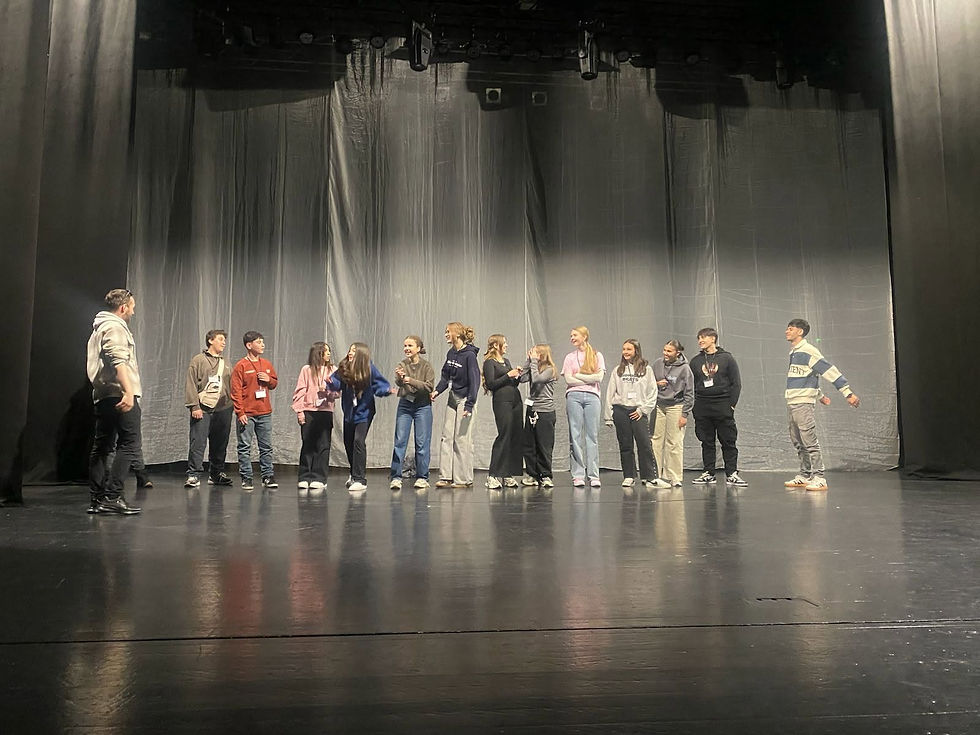
During the week, students explored Lithuanian culture and took part in drama workshops and creative activities designed to help them grow as performers and as people. They practised acting skills, yes, but the real learning went much further. They learned how to express emotions, read body language, cooperate with others, and understand different points of view.
Most of all, they experienced what SENarts has always aimed to create: a space where every student feels included, valued, and able to take part as themselves.

A final mobility that brought the project full circle
The week in Daugai had a special feeling from the start. Everyone knew this was the final student mobility of the SENarts project, so every workshop, conversation, and shared activity carried extra meaning.
Previous stages of the project had already helped students gain confidence, meet peers from other countries, and explore the arts as a way to communicate. Lithuania gave them the chance to bring that learning together.
The programme focused on drama and creative expression. These activities offered students a safe way to explore emotions, practise cooperation, and communicate beyond spoken language. For many students, drama can open doors that traditional classroom tasks do not always open. It allows them to try, move, listen, react, and connect.
In Daugai, students were encouraged to take creative risks without fear of judgement. They could use gesture, facial expression, posture, movement, rhythm, silence, and voice to share meaning. This mattered because communication is not limited to words. A look, a pause, a movement, or a shared laugh can carry just as much meaning as a sentence.
The final mobility also gave students time to recognise how far they had come. Some had become more willing to join group activities. Some had grown more comfortable speaking or performing in front of others. Some showed greater patience, awareness, and care towards their peers.
These changes may appear small from the outside, but inside a project focused on inclusion, they are powerful signs of growth.
Drama helped students understand emotions and empathy
Drama was at the heart of the week. Through workshops and creative tasks, students explored how people show feelings, how emotions change the way we move, and how we can respond to someone else’s experience with care.
Acting is often seen as performance, but in SENarts it became a tool for understanding. Students did not only learn how to play a role. They learned how to notice what another person might be feeling.
Drama activities helped students practise skills such as:
Recognising emotions through facial expression, voice, and movement
Expressing feelings in creative and safe ways
Listening and responding to others during group work
Cooperating to build scenes and shared ideas
Respecting different ways of communicating
Seeing situations from another person’s point of view
These skills are important for all students. For students with special educational needs, they can be especially valuable because they support social confidence, emotional awareness, and participation.
A drama workshop can make empathy visible. When students step into a character’s situation, they begin to ask questions. How does this person feel? What do they need? Why might they act this way? What would help them feel safe or understood?
That process can gently build emotional understanding. It also supports self-expression. Students who may find it difficult to explain feelings directly can express them through action, movement, or role play.
Through drama, students learned that communication is not only about words. It is also about presence, attention, movement, and care.
In Lithuania, this learning came through shared experience. Students worked together, watched each other, reacted to each other, and created together. They had to trust the group and accept that every contribution mattered.
That is one of the strongest lessons the arts can teach.
Lithuanian culture became part of the shared experience
A mobility is never only about workshops. It is also about place, culture, welcome, and daily moments of discovery.
During the week in Daugai, students learned more about Lithuanian culture by being there together. They experienced a new environment, listened to new sounds, met people from another country, and shared time with peers in a different setting.
For students, cultural learning often happens through simple but memorable moments. Walking through a new town. Hearing another language around them. Trying to understand local customs. Sharing creative work with students from different backgrounds. Noticing similarities and differences in everyday life.
These experiences help students build openness. They see that culture is not something distant or abstract. It is part of how people live, greet each other, work together, celebrate, and tell stories.
The SENarts project placed culture and creativity side by side because the two naturally support each other. Arts activities create common ground when students do not share the same first language or communication style. A theatre exercise, a group game, or a creative challenge can help students connect quickly because everyone can take part in their own way.
In Daugai, culture became something students could feel and share. It was present in the surroundings, the activities, and the friendships that continued to grow throughout the week.
This kind of international experience also supports independence. Travelling to another country, following a new routine, joining unfamiliar activities, and communicating with new people all require courage. With the right support, students can discover that they are capable of much more than they imagined.
That discovery can stay with them long after the mobility ends.
Inclusion was not an idea, it was something students lived
From the beginning, SENarts has focused on inclusion. In Lithuania, that aim became very clear. Students did not simply attend activities. They found their place within the group.
Inclusion means more than being present in the room. It means feeling seen. It means having the chance to contribute. It means knowing that different needs, personalities, strengths, and communication styles are accepted.
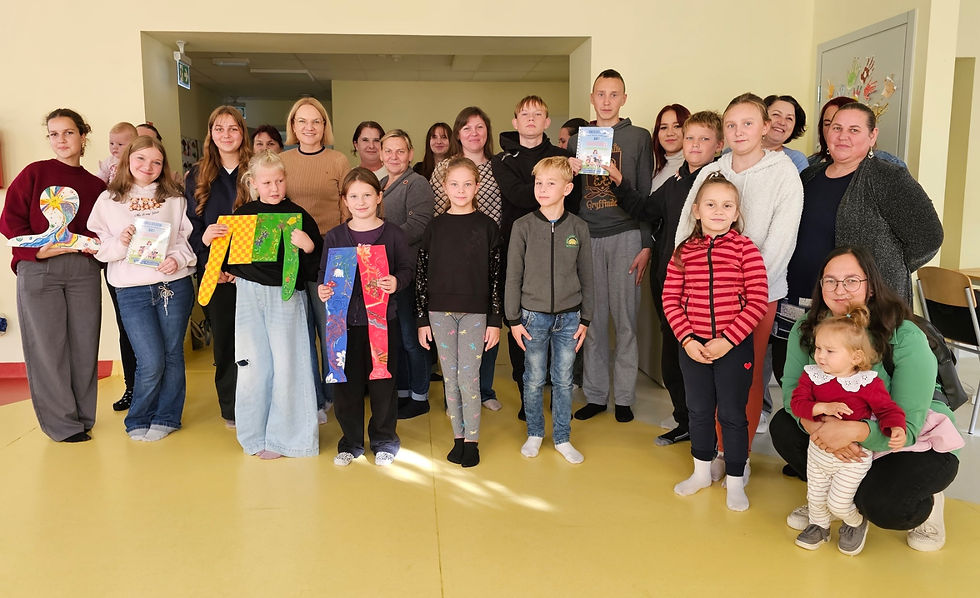
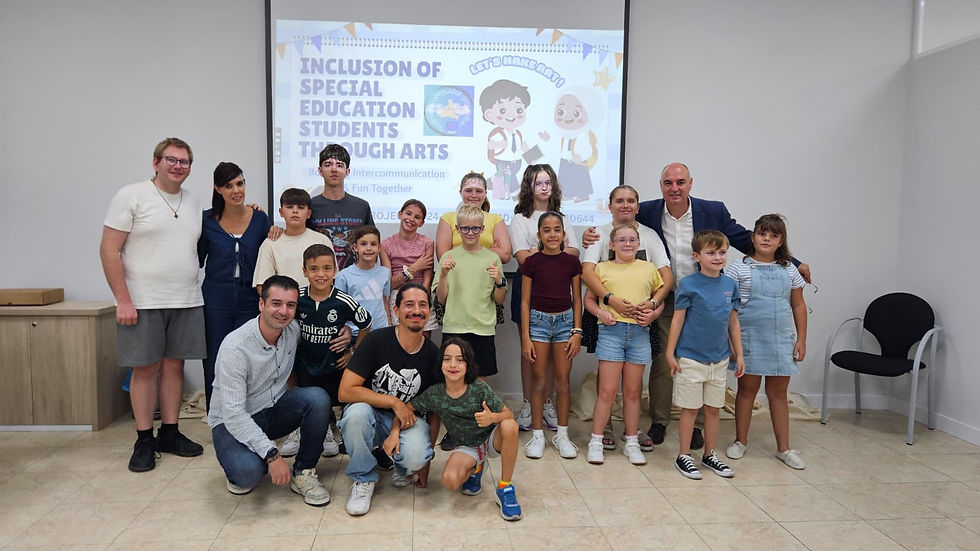
During the final mobility, students built friendships across countries and cultures. They shared creative tasks, supported each other, worked as teams, and celebrated each other’s efforts. Over time, the group became more open, more patient, and more connected.
For some students, feeling included can be a life-changing experience. It can change how they see themselves. It can help them believe they have something valuable to offer. It can make them more willing to try again, speak up, join in, or take creative risks.
That is why the emotional impact of SENarts matters so much. The project gave students opportunities to succeed in ways that were visible to others and meaningful to themselves.
We saw students grow in confidence. We saw them communicate with more ease. We saw them cooperate with greater trust. We saw them become more comfortable expressing emotions and interacting with others.
These are not only project outcomes. They are human achievements.

Looking back on a journey of growth
As this was the final mobility, the week in Lithuania also became a time for reflection. The students had travelled through a project that asked them to create, communicate, cooperate, and meet others with openness.
Looking back, their development has been remarkable.
At the start of such a journey, some students may feel unsure. New people, new places, and creative activities can feel overwhelming. Performing or expressing emotions in front of others can take courage. Working in international groups can take patience and trust.
Across the SENarts project, students gradually built those skills. They learned that they did not have to be perfect to participate. They learned that mistakes can be part of creativity. They learned that every person has different strengths. They learned that support can come from teachers, peers, and friends.
By the time they arrived in Daugai, that growth was visible.
Students who once needed more encouragement became more willing to take part. Students who struggled to express themselves found new ways to communicate. Students who were shy in group settings became more confident in shared tasks. Students who found it difficult to understand others practised empathy through role play and cooperation.
The arts made this growth possible because they offered many paths into participation. A student could contribute with a word, a gesture, a movement, a facial expression, a sound, an idea, or simply by being present and engaged.
That flexibility is one of the reasons creative education is so powerful. It recognises that students do not all learn or communicate in the same way. It gives them different routes to confidence.
The final mobility reminded us that growth does not always happen in loud or obvious ways. Sometimes it appears in a student volunteering for a task. Sometimes it appears in a smile, a shared joke, or a moment of patience. Sometimes it appears when one student helps another feel safe enough to join in.
Those moments defined the SENarts journey.
Friendship became one of the strongest outcomes
Projects often begin with aims, activities, and schedules. They end with memories. For SENarts, some of the most important memories are the friendships students built along the way.
Friendship across countries and cultures is a special kind of learning. It teaches students that connection is possible even when people speak differently, act differently, or come from different places. It helps them practise kindness, curiosity, and respect.
During the week in Daugai, students had many chances to spend time together beyond structured activities. Those informal moments matter. They help trust grow. They turn classmates and project partners into friends.
For students who have sometimes felt left out, being part of an international group can be deeply meaningful. It shows them that they belong in wider spaces too. It shows them that their voice, personality, humour, creativity, and kindness can be recognised by others.
That feeling of belonging was at the heart of SENarts from the very beginning. In Lithuania, it was visible in the way students interacted, supported each other, and celebrated the final days of the project together.
The end of a mobility can feel emotional because it marks a goodbye. But it also marks everything that has been gained. The friendships, the confidence, the shared stories, and the creative courage do not disappear when the week ends.
They travel home with each student.

A meaningful ending and a lasting beginning
The final Erasmus+ SENarts mobility in Lithuania was a celebration of everything the project has stood for. It brought together creativity, culture, empathy, inclusion, and friendship in a way that students could feel directly.
It also showed what can happen when the arts become a bridge. Drama helped students express emotions, understand others, and communicate beyond words. International mobility helped them discover another culture and build friendships across borders. Inclusive group work helped them feel valued for who they are.
As we look back on the SENarts journey, we feel proud of the growth we have witnessed. Our students have developed self-confidence, communication skills, cooperation, and social awareness. They have become more comfortable expressing themselves and more open to others.
Most importantly, they truly felt included.
They found their place within the group. They discovered strengths in themselves. They built friendships that reached beyond language and culture. They experienced the joy of being accepted and valued.
The mobility in Daugai may have been the final chapter of the project, but its impact will continue. Every moment of courage, every creative step, every new friendship, and every shared expression has become part of the students’ story.
And that is the lasting success of SENarts: students leaving the project not only with memories, but with a stronger belief in themselves and in their ability to connect with others.

Comments